

Dubai Drivers Warned About Expired Tyres: How to Check Your Tyres Before a Problem
Old tyres can become a serious safety concern, even when the tread looks acceptable. Learn how to check the manufacturing date, recognise warning signs and know when your tyres need professional inspection.
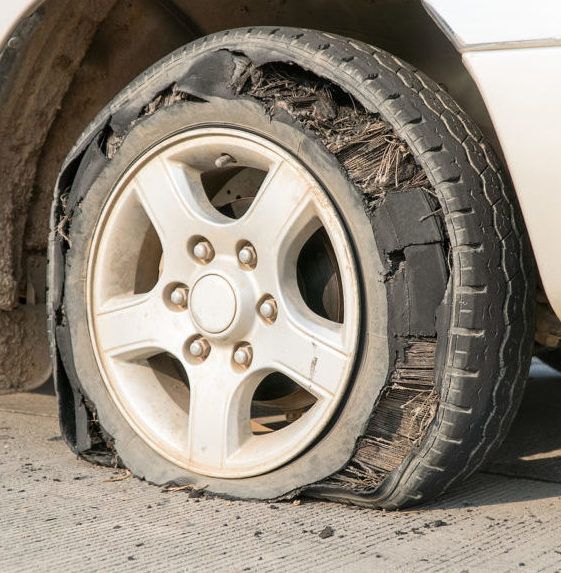
Regular tyre checks can help drivers identify ageing, worn or damaged tyres before they become a bigger problem.
Driving in Dubai means dealing with high temperatures, long journeys and busy roads. Your tyres are the only parts of your vehicle in direct contact with the road, so their condition matters every time you drive.
One important check is tyre age. A tyre can look reasonably good from the outside while its rubber deteriorates over time. Dubai's Roads and Transport Authority (RTA) states that tyres exceeding five years from their manufacturing date do not pass its vehicle technical test. Drivers should also pay attention to cuts, serious wear and other visible damage.
What Is an Expired Tyre?
A tyre's age is generally calculated from its manufacturing date, not simply from the day it was fitted to your vehicle. Rubber and other tyre materials can deteriorate as they age, even when a vehicle is driven infrequently.
In the UAE, the RTA's published guidance uses a five-year maximum from the date of manufacture for tyre validity at vehicle renewal inspections. This is an important compliance point for Dubai drivers.
However, age is not the only reason to replace a tyre. Damage, wear, incorrect pressure, exposure and the vehicle manufacturer's recommendations also matter. A tyre can require replacement before reaching five years.
How to Check Your Tyre Manufacturing Date
Look at the tyre sidewall for the manufacturing date code. On many tyres, the final four digits of the DOT date code indicate the week and year the tyre was manufactured.
Example: Week 23 of 2025
Read the four digits as follows:
- First two digits — the week of manufacture.
- Last two digits — the year of manufacture.
- Example 2325 — manufactured in the 23rd week of 2025.
The full date marking may be on only one sidewall, so you might need to inspect the other side of the tyre. If you cannot find or read the code, ask a tyre professional to check it for you.
5 Warning Signs Your Tyres Need Attention
Alongside the manufacturing date, look for these common warning signs during routine vehicle checks.
Cracks in the Sidewall
Fine cracks, splits or signs of rubber deterioration may indicate ageing or damage. Have the tyre inspected rather than ignoring the marks.
Low or Uneven Tread
Worn tread can reduce grip, especially on wet roads. Check the tread indicators and have wear assessed against the applicable requirements.
Bulges or Deformation
A bulge in the sidewall may indicate internal structural damage. Stop driving and arrange professional assistance rather than continuing on the tyre.
Repeated Pressure Loss
A tyre that repeatedly loses air may have a puncture, valve issue or other damage. Check it promptly and avoid driving on an underinflated tyre.
Vibration or Unusual Noise
New vibration, thumping or unusual tyre noise can indicate a tyre, wheel or balance problem. Arrange an inspection to identify the cause.
Visible Cuts or Exposed Cord
Deep cuts, exposed reinforcement or severe damage need urgent professional assessment. Do not continue driving on a tyre with exposed cord.
Why Tyre Safety Matters in Dubai
Dubai's hot weather makes regular tyre maintenance particularly important. Heat, incorrect inflation, heavy loads, road impacts and prolonged use can contribute to tyre problems.
Underinflation can cause excessive heat build-up, while overinflation can affect the contact patch and ride characteristics. Neither should be used as a substitute for the pressure recommended by your vehicle manufacturer.
- Check tyre pressure when the tyres are cold, following the vehicle manufacturer's instructions.
- Inspect all four tyres and the spare, if fitted.
- Look for damage after hitting a pothole or kerb.
- Check tyre age and condition before a long journey.
- Use the correct tyre size, load index and speed rating for your vehicle.
- Replace tyres that are expired under applicable requirements or are otherwise unsafe.
For official information, refer to the Dubai RTA's tyre inspection guidance and its vehicle registration and inspection service information.
How Often Should You Inspect Your Tyres?
There is no single inspection schedule that suits every vehicle and driving pattern. A simple routine can help you identify problems earlier.
- Before long journeys: Check pressure, tread and visible damage.
- During routine maintenance: Ask for tyre condition and wear to be assessed.
- After a strong impact: Check for bulges, cuts, vibration or pressure loss.
- As tyres age: Check the date code and follow professional and manufacturer recommendations.
- When a warning sign appears: Arrange an inspection promptly instead of waiting for your next service.
Use the pressure values on the vehicle's tyre-pressure placard or in its manual rather than the maximum pressure printed on the tyre sidewall.
When Should You Replace Your Car Tyres?
Replacement may be necessary when tyres reach the applicable age limit, fall below the required tread condition, develop structural damage or no longer meet the vehicle's requirements.
If you notice a bulge, exposed cord, severe cut or sudden pressure loss, do not continue driving on the affected tyre. Pull over somewhere safe if you are already on the road and arrange suitable assistance.
When selecting replacements, ensure the new tyres match the vehicle's approved size and specifications. A professional can also check wheel alignment, balancing and tyre pressure where appropriate.
Need a Tyre Inspection in Dubai?
Concerned about an old tyre, uneven wear or visible damage? Visit Super Major Auto in Al Quoz Industrial Area 4 for tyre-related service and advice on suitable replacement options.
Frequently Asked Questions About Expired Tyres in Dubai
1. How many years are car tyres valid in the UAE?
The Dubai RTA states that tyres exceeding five years from their manufacturing date do not pass its vehicle technical test. Drivers should also check current applicable requirements and replace tyres sooner if they are damaged or worn.
2. How can I check my tyre expiry date?
Look for the four-digit manufacturing date code on the tyre sidewall. The first two digits indicate the production week, and the last two indicate the year. The code gives the manufacturing date, not a universal expiry date.
3. Can old tyres look good but still be unsafe?
Yes. Tyre materials can deteriorate with age even if tread wear appears limited. Check the date code, sidewalls and tread, and arrange a professional inspection if you are unsure.
4. Can I drive with cracks on my tyre sidewall?
Sidewall cracks can indicate deterioration or damage. Their seriousness depends on the condition, but you should have the tyre assessed promptly. Do not drive on a tyre with a bulge, exposed cord or severe damage.
5. Does Dubai's hot weather affect tyres?
Heat can contribute to tyre ageing and operating temperatures. Correct inflation, appropriate loading, routine inspections and timely replacement help maintain tyre safety.
6. Where can I get my tyres checked in Al Quoz, Dubai?
Super Major Auto provides tyre-related services from its garage in Al Quoz Industrial Area 4, Dubai. Call +971 50 184 9737 to ask about tyre inspection and replacement options.
Related Car and Tyre Services
Explore more vehicle maintenance information and services from Super Major Auto.
This article is for general tyre-safety information and is not a substitute for a professional inspection or current regulatory advice. Tyre condition, vehicle specifications and applicable requirements should be assessed before deciding whether a tyre is safe for use.