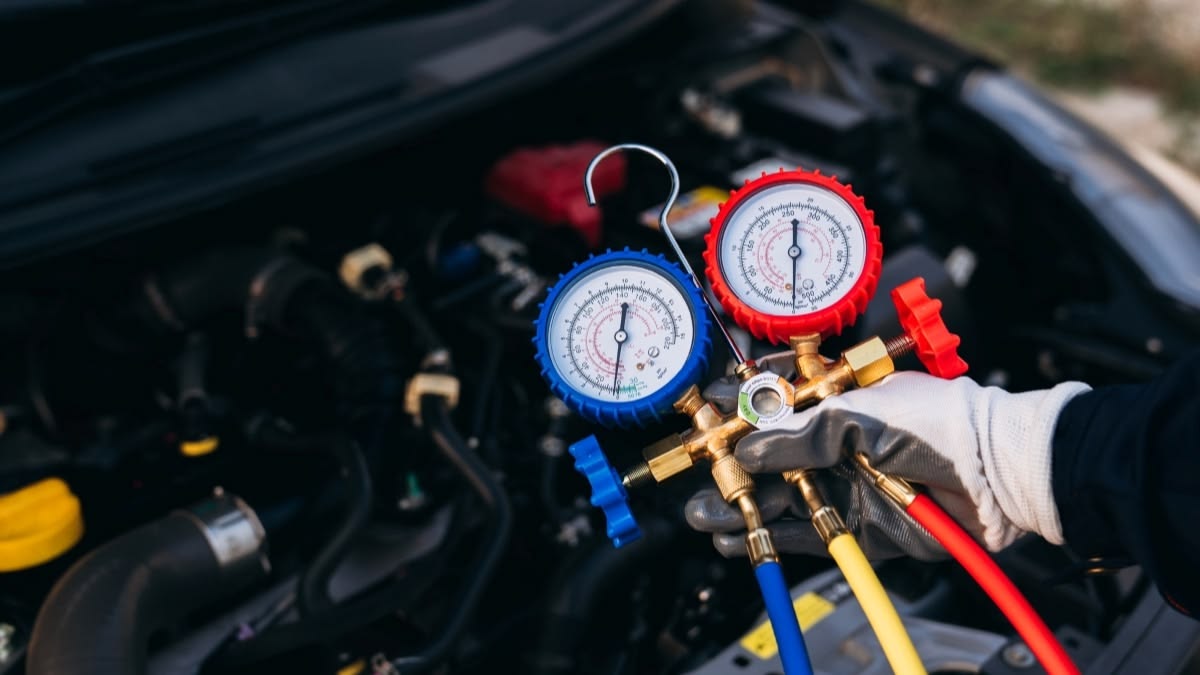
Car AC Repair Dubai: 7 Problems When AC Is Not Cooling

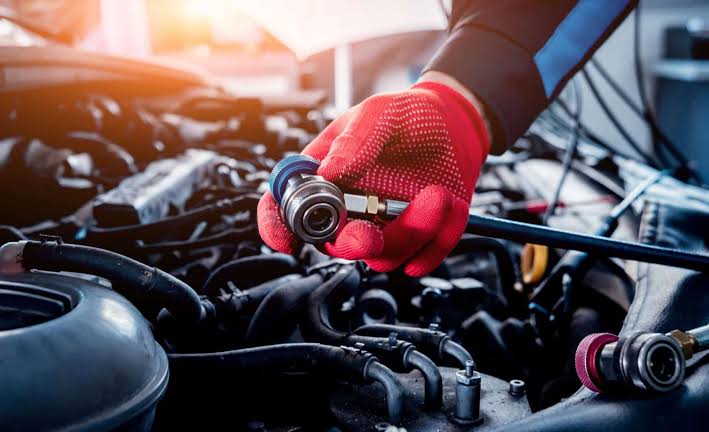
Professional car AC inspection and repair in Dubai

car AC repair Dubai Car AC Not Cooling in Dubai? 7 Problems to Check Dubai’s hot weather makes a working car AC essential. If your air conditioner is blowing warm air, cooling slowly, or producing weak airflow, it may be time for professional car AC repair Dubai services. Ignoring an AC problem can make driving uncomfortable and may allow a small fault to become a bigger repair. The problem could be related to refrigerant, airflow, the compressor, electrical components, or another part of the cooling system. Here are seven common problems to check when your car AC is not cooling properly. 1. Low or Leaking AC Refrigerant One of the most common reasons for poor AC cooling is low refrigerant. Your car’s AC system needs the correct refrigerant level to remove heat from the cabin. If there is a leak, the refrigerant level can gradually drop and the AC may start blowing warmer air. Common signs include: AC becomes less cold over time Air is cool but not cold Cooling changes while driving The system needs frequent refrigerant refills Simply adding refrigerant may not solve the problem if there is a leak. A garage should inspect the system and identify the cause.   2. AC Compressor Problems The compressor is an important part of the vehicle’s air conditioning system. It circulates refrigerant through the system so the AC can produce cold air. A failing compressor may cause: Warm air from the vents Unusual noises when AC is switched on AC cooling that comes and goes Reduced cooling performance If the compressor is damaged, continuing to operate the AC may make the problem worse. Professional inspection can help determine whether the compressor, clutch, belt, or another component is responsible.   3. Blocked or Dirty Cabin Air Filter A dirty cabin air filter can restrict airflow through the vents. You may notice that the AC feels weak even though the system is producing cold air. This can make the cabin take much longer to cool. A restricted filter can also contribute to poor air quality and unpleasant smells. Replacing the cabin filter at the appropriate service interval can help restore proper airflow.   4. Condenser Problems The AC condenser releases heat from the refrigerant. If it becomes blocked, damaged, or heavily contaminated, the system may struggle to cool effectively. Dubai’s dusty environment can contribute to dirt building up around cooling components. Possible signs include: AC becomes warmer in traffic Cooling improves slightly when driving Poor cooling during very hot weather Visible damage around the condenser area A professional inspection can determine whether the condenser needs cleaning, repair, or replacement.   5. Cooling Fan Failure Your vehicle uses cooling fans to help remove heat from the condenser and engine area. If a fan is not operating correctly, AC performance can become noticeably worse, especially when the vehicle is stationary or moving slowly. If your AC is colder while driving but becomes warm when stopped in traffic, the cooling fan or related components should be checked. This issue may also require electrical or diagnostic testing.   6. Electrical or Sensor Faults Modern vehicles use sensors, control modules, relays, fuses, and other electrical components to control the AC system. A fault in one of these components can prevent the AC from working correctly. Electrical problems may cause: AC not switching on Intermittent cooling Fan problems Compressor not engaging Incorrect temperature control If the problem is electrical, replacing parts without proper testing can waste time and money. Diagnostic testing can help identify the actual fault.   7. AC System Needs Professional Inspection Sometimes the cause is not immediately obvious. Several components work together to provide cold air, including the compressor, condenser, evaporator, refrigerant circuit, fans, sensors, filters, and electrical controls. If your AC has suddenly stopped cooling or has gradually become weaker, a professional inspection is the safest way to identify the problem. A proper car AC repair Dubai service can check the system and determine whether it needs refrigerant service, component repair, electrical diagnosis, cleaning, or replacement. How Do You Know Your Car AC Needs Repair? Watch for these warning signs: AC blows warm air Cooling is weaker than before Airflow from vents is low AC works only while driving Unusual noises when AC is running Bad smell from the vents AC switches on and off unexpectedly Cabin takes too long to cool If you notice one or more of these symptoms, don’t wait until the AC stops working completely. Why Dubai Heat Makes AC Problems More Noticeable During Dubai’s hot months, your vehicle’s AC system has to work hard to keep the cabin comfortable. A minor issue that may not be obvious in cooler weather can become much more noticeable when outside temperatures rise. Regular AC inspection and general vehicle maintenance can help identify problems before they become major repairs. Car AC Repair Dubai at Super Major Auto If your car AC is not cooling properly, Super Major Auto can inspect the vehicle and identify the cause of the problem. Our garage in Al Quoz provides car repair and maintenance services, including AC service, diagnostics, engine repair, brake service, suspension work, electrical repairs, tyre services, and general vehicle maintenance. If your AC is blowing warm air, cooling slowly, or making unusual noises, bring your vehicle to our garage for an inspection. Don’t Ignore a Car AC Cooling Problem A weak AC system is more than just an inconvenience in Dubai. It can make every drive uncomfortable, especially during hot weather. The problem could be something simple such as a restricted filter or a refrigerant issue, or it could involve the compressor, condenser, fan, sensors, or electrical system. Instead of guessing which part needs replacement, have the AC system inspected properly. For car AC repair Dubai, visit Super Major Auto in Al Quoz and let our team check the problem before it gets worse. Conclusion If your car AC is not cooling, check for common problems such as low refrigerant, compressor issues, a blocked… Continue reading Car AC Repair Dubai: 7 Problems When AC Is Not Cooling


Car Overheating in Dubai: 7 Warning Signs to Never Ignore

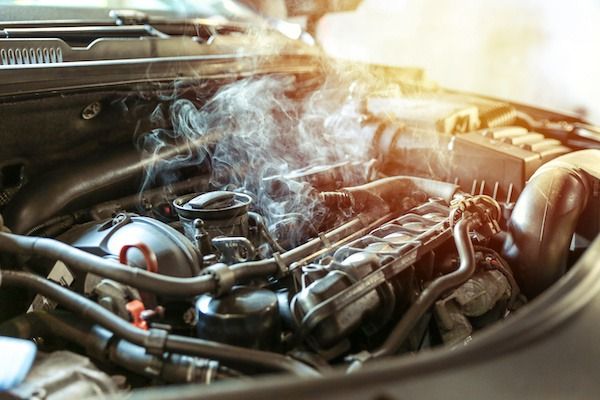
A vehicle showing signs of overheating should be inspected before continuing a long drive.

Car Overheating Car Overheating Dubai: 7 Warning Signs to Never Ignore Car overheating Dubai can become a serious problem if the warning signs are ignored. Hot weather, heavy traffic and long drives can put extra stress on your vehicle’s cooling system. If your temperature gauge rises, steam appears or coolant is leaking, have your car inspected before the problem causes further engine damage. Super Major Auto in Al Quoz, Dubai provides car diagnostics, engine repair and vehicle inspection to help identify overheating problems. Car Overheating Dubai: What Causes It? There are several reasons a vehicle may overheat. Some problems are simple maintenance issues, while others require professional inspection and repair. Common causes include: Low coolant level Coolant leaks Radiator problems Cooling fan failure Thermostat problems Water pump faults Damaged hoses Blockages in the cooling system The correct repair depends on the cause. A proper inspection can help identify the problem before replacing unnecessary parts. 7 Warning Signs Your Car Is Overheating 1. Rising Temperature Gauge The temperature gauge should normally stay within its usual operating range. If it moves toward the hot zone, your engine may be running at an unsafe temperature. Do not ignore a rising gauge. Safely stop the vehicle and allow the engine to cool.   2. Steam From Under the Bonnet Steam coming from under the bonnet can indicate excessive engine heat or a cooling-system problem. If you see steam, pull over safely and switch off the engine. Never open a hot radiator cap because the cooling system can contain extremely hot liquid and pressure.   3. Coolant Leaking Coolant helps regulate engine temperature. A leak can reduce the amount of coolant available to the cooling system. If you notice liquid under your vehicle or frequently need to add coolant, arrange an inspection to find the source of the leak.   4. Unusual Engine Smell A strong or unusual smell from the engine area can be another warning sign. If an unusual smell appears together with a high temperature gauge, steam or coolant loss, stop driving and have the vehicle checked.   5. Air Conditioning Problems If your AC suddenly becomes warm while the engine temperature is also increasing, the vehicle may require inspection. A cooling-system problem and an AC problem are not always connected, but both systems should be checked when several symptoms appear together. Super Major Auto also provides Car AC Service in Al Quoz, Dubai.   6. Loss of Engine Power An overheating engine may begin to lose performance. You may notice poor acceleration, hesitation or reduced power. If the vehicle is overheating and performance has changed, avoid continuing to drive it. A professional inspection can help determine whether the problem is related to the cooling system or another engine component.   7. Dashboard Warning Lights A temperature warning light or check-engine light should never be ignored. A professional Car Diagnostics scan can help identify certain electronic faults and stored error codes. However, an overheating vehicle may also require a physical inspection of the cooling system. How Dubai Heat Can Affect Your Car Dubai’s hot climate can make vehicle cooling systems work harder, particularly during heavy traffic and long journeys. High temperatures can expose existing problems such as low coolant, weak cooling fans, radiator issues or damaged hoses. This does not mean a properly maintained vehicle should normally overheat. If your car repeatedly becomes too hot, there is likely an underlying problem that needs attention. Regular maintenance and timely inspections can help identify cooling-system problems before they become major repairs. What Should You Do If Your Car Overheats? If your temperature gauge reaches the hot zone or steam starts coming from the engine area, take the situation seriously. Follow these basic steps: Safely pull over. Switch off the engine. Allow the vehicle to cool. Do not open the radiator cap while the engine is hot. Arrange professional assistance if necessary. Avoid driving a vehicle that continues to overheat. Continued overheating can cause serious engine damage. Can an Overheating Car Still Be Driven? It is not recommended to continue driving when the temperature gauge is in the hot zone or the vehicle is producing steam. Even if the car appears to run normally after cooling down, the underlying problem may still be present. Repeated overheating can damage important engine components. Getting the vehicle inspected early can help determine whether the problem is a coolant leak, radiator issue, cooling fan fault, thermostat problem or another mechanical fault. When Does an Overheating Car Need Engine Repair? Not every overheating problem means the engine itself needs major repair. The cause could be a cooling-system component such as a radiator, thermostat, water pump, hose or cooling fan. However, severe or repeated overheating can cause engine damage. If your vehicle has overheated repeatedly, Engine Repair may be required after a proper inspection. Car Overheating Inspection in Al Quoz, Dubai If you are dealing with car overheating Dubai problems, Super Major Auto Tyres L.L.C can inspect your vehicle and help identify the underlying cause. Our garage services include: Car Diagnostics Engine Repair Car Repair Vehicle Inspection Car AC Service Brake Service General Maintenance Car Electrical Repair You can also explore our complete auto repair and garage services. Our approach is simple: identify the problem, explain the required service and help get your vehicle back on the road safely. Why You Should Not Ignore Overheating A small cooling-system problem can become more expensive when ignored. For example, a low coolant level or damaged hose may be easier to address than the engine damage that can occur after prolonged overheating. Get your vehicle checked if you notice: A rising temperature gauge Repeated coolant loss Steam from the bonnet Unusual engine smells Reduced engine performance Repeated overheating Warning lights Early inspection can help you understand the condition of your vehicle and determine the appropriate repair. Need Car Overheating Repair in Dubai? Don’t wait for an overheating problem to turn into a roadside breakdown. If your vehicle is running hot, losing coolant or… Continue reading Car Overheating in Dubai: 7 Warning Signs to Never Ignore

Tyre Blowout in Dubai: Warning Signs You Should Never Ignore

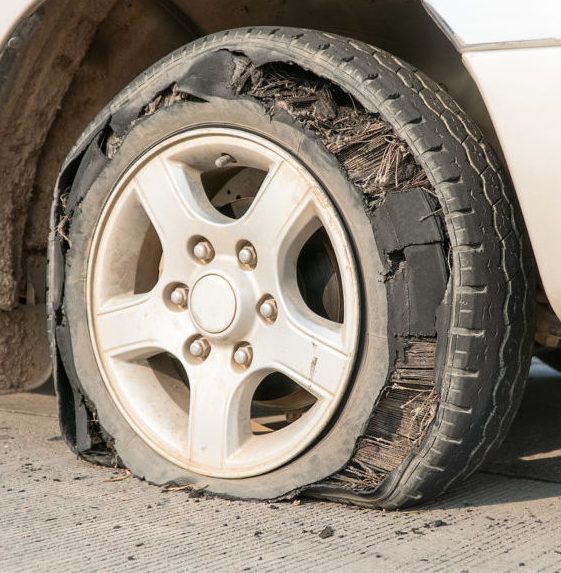
burst tire on the road in town .

Tyre Blowout Tyre Blowout in Dubai: Warning Signs You Should Never Ignore A tyre blowout can happen suddenly, but the tyre often shows warning signs before it fails. Cracks, bulges, uneven wear, low pressure and excessive vibration can indicate that a tyre needs professional attention. Dubai’s hot roads and regular traffic can put additional stress on tyres. Checking their condition regularly is important, especially before long drives. If you notice anything unusual with your tyres, Super Major Auto Tyres L.L.C in Al Quoz, Dubai can inspect your tyres and help determine whether they need repair, replacement, balancing or alignment. What Is a Tyre Blowout? A tyre blowout occurs when a tyre suddenly loses most or all of its air pressure. The vehicle can become difficult to control, particularly at higher speeds. A blowout can result from several factors, including tyre damage, incorrect pressure, excessive wear or impact damage. Not every tyre problem leads to a blowout, but visible or unusual changes in a tyre should not be ignored. Warning Signs of a Possible Tyre Problem 1. Cracks on the Tyre Sidewall Small cracks may appear on the sidewall as a tyre ages or becomes damaged. If you notice multiple cracks, deep cracking or damaged rubber, have the tyre professionally inspected rather than assuming it is safe to continue driving.   2. Bulges or Bubbles A bulge or bubble on the sidewall can indicate internal tyre damage. This type of damage can occur after hitting a pothole, kerb or other road obstacle. A damaged tyre with a significant bulge may require replacement.   3. Frequent Loss of Tyre Pressure If one tyre repeatedly loses pressure, there may be a puncture, valve problem, rim issue or other damage. Driving for extended periods with low pressure can increase heat buildup and tyre stress. If you repeatedly need to add air to the same tyre, have it checked.   4. Uneven Tyre Wear Look at the tread across the entire tyre. If one section is wearing considerably faster than another, possible causes can include incorrect tyre pressure, wheel alignment problems, suspension issues or other vehicle-related problems. Uneven wear should be investigated rather than simply replacing the tyre without checking the underlying cause.   5. Excessive Vibration Unusual vibration through the steering wheel or vehicle can sometimes indicate a wheel or tyre problem. Possible causes include wheel imbalance, tyre damage, alignment issues or suspension-related faults. A professional inspection can help identify the source.   6. Worn Tread Tyres need sufficient tread to maintain proper contact with the road. If the tread is heavily worn or approaching the tyre’s wear indicators, replacement should be considered. Don’t wait until the tyre is completely worn before arranging an inspection. How Dubai Heat Affects Tyres Hot road surfaces and high temperatures can increase tyre operating temperatures. Incorrect tyre pressure, heavy loads and long drives can add further stress. Check your tyres regularly and maintain the pressure recommended by your vehicle manufacturer. What to Do If a Tyre Blows Out If a tyre suddenly blows out while driving: Keep both hands on the steering wheel. Stay calm and avoid sudden steering. Gradually reduce acceleration. Avoid hard braking. Move to a safe location when possible. Turn on your hazard lights. Contact professional tyre or roadside assistance if needed. Do not continue driving on a severely damaged tyre. Repair or Replace the Tyre? Some punctures may be repairable, depending on their location and severity. However, a tyre with serious sidewall damage, a large bulge, severe wear or extensive cracking may need replacement. A professional tyre inspection can help determine the safest option. Tyre Services in Al Quoz, Dubai If your tyre is losing air, showing cracks, wearing unevenly or causing vibration, Super Major Auto Tyres L.L.C in Al Quoz, Dubai can inspect your vehicle. Our services include: Tyre Inspection Tyre Repair Tyre Replacement Tyre Fitting Wheel Alignment Wheel Balancing We also provide car repair, diagnostics, brake, AC, suspension and electrical services. All Car Problems. One Solution. Super Major Auto. Need a Tyre Check? Don’t wait for a damaged tyre to become a roadside emergency. Visit Super Major Auto in Al Quoz, Dubai for professional tyre inspection and service. Phone: +971 50 184 9737 FAQs What are the signs of a damaged tyre? Cracks, bulges, uneven wear, repeated air loss and unusual vibration are common warning signs.   Can a tyre with a sidewall bulge be repaired? A sidewall bulge can indicate internal structural damage and may require tyre replacement. Have it inspected professionally.   How often should I check my tyre pressure? Check tyre pressure regularly and always before a long journey. Follow your vehicle manufacturer’s recommended pressure.   Where can I get tyre services in Al Quoz? Super Major Auto provides tyre inspection, repair, replacement, fitting, wheel alignment and wheel balancing in Al Quoz, Dubai. Phone: +971 50 184 9737 Related Posts

Electric Car Problems in Dubai? Visit Our Auto Garage

Electric Car Problems Electric Car Problems in Dubai? Visit Our Auto Garage Electric cars are becoming more common on Dubai roads, but like any vehicle, they can develop problems that require professional inspection and repair. If your EV is showing a warning light, charging slowly, losing range, making unusual noises, or experiencing braking, tyre, or AC problems, don’t ignore the signs. A proper inspection can help identify the cause and prevent a small issue from becoming a more expensive repair. Common Electric Car Problems EV Not Charging Properly If your electric car is charging slower than normal, repeatedly stops charging, or refuses to charge, the issue could involve the charging system, electrical components, charging port, or another vehicle system. Professional diagnostics can help identify the problem.   Reduced Driving Range A noticeable change in range can have several possible causes, including tyre pressure, driving conditions, climate-control use, battery performance, or other vehicle faults. If the range has dropped unexpectedly, an inspection can help determine why.   EV Warning Lights Never ignore a battery, electrical, brake, or other warning light. Modern EVs use electronic systems to monitor vehicle operation. A diagnostic scan can provide useful information about stored faults and help technicians determine what needs further inspection.   Tyre Problems Electric vehicles can place significant demands on tyres because of their weight and instant torque. Uneven wear, low pressure, vibration, or damaged tyres should be inspected. Depending on the problem, you may need tyre repair, tyre replacement, wheel balancing, or wheel alignment.   Brake Problems EVs use regenerative braking, but they still have conventional brake components. If you notice brake noise, vibration, reduced braking performance, or an unusual pedal feel, arrange a brake inspection.   EV Air Conditioning Problems Air conditioning is essential in Dubai. If your EV AC is blowing warm air, cooling slowly, or producing unusual noises, the system may require professional inspection and repair. When Should You Bring Your Electric Car to a Garage? Don’t wait for a complete breakdown if you notice: Charging problems Battery warnings Reduced range Strange noises Poor acceleration Brake problems Tyre damage Uneven tyre wear AC problems Electrical warning lights Early inspection can help identify the issue before it becomes more complicated. Electric Car Diagnostics & Repair in Al Quoz 4, Dubai Looking for an electric car garage in Al Quoz 4, Dubai? Super Major Auto Tyres L.L.C. provides professional automotive services including: Car diagnostics Vehicle inspection Tyre repair Tyre replacement Wheel alignment Wheel balancing Brake service Car AC service General car repair Our team can inspect your vehicle and help identify the right service for the problem. Visit Our Garage If your electric car is showing signs of a problem, don’t wait until the issue gets worse. Visit Super Major Auto Tyres L.L.C. in Al Quoz 4, Dubai, and get your vehicle checked. Need help with your EV? Call our garage today to arrange an inspection. Final Thoughts Electric car problems can involve tyres, brakes, air conditioning, charging systems, electrical components, or other vehicle systems. Getting the problem checked early can help you avoid unnecessary downtime and potentially more expensive repairs. Have an electric car problem? Visit our garage in Al Quoz 4, Dubai, or call Super Major Auto Tyres L.L.C. today. Related Posts

Why Does My Car Pull to One Side? Causes and Solutions

Car Pull to One Side Why Does My Car Pull to One Side? Causes and Solutions If your car keeps pulling to the left or right while driving, don’t ignore it. A vehicle that does not track straight can make driving uncomfortable and may indicate a problem with the tyres, wheel alignment, steering, or suspension. Getting the issue checked early can help prevent uneven tyre wear and more expensive repairs. Common Reasons Your Car Pulls to One Side 1. Incorrect Wheel Alignment Wheel alignment is one of the most common causes of a vehicle pulling to one side. Potholes, kerbs, speed bumps, and normal road impacts can affect wheel angles. Incorrect alignment can also cause uneven tyre wear and steering problems. A professional wheel alignment service can check and correct the wheel angles according to the vehicle’s specifications.   2. Uneven Tyre Pressure Different tyre pressures can affect how your vehicle handles. Check all four tyres regularly and maintain the pressure recommended by your vehicle manufacturer. If one tyre repeatedly loses pressure, it should be inspected for a puncture, valve problem, or other damage.   3. Uneven Tyre Wear A tyre with excessive or uneven tread wear can affect vehicle stability and steering. If one tyre is significantly more worn than the others, the problem may be related to alignment, suspension, tyre pressure, or another issue.   4. Suspension Problems Worn or damaged suspension components can change the way your vehicle sits and handles. Signs may include pulling, uneven tyre wear, knocking noises, excessive bouncing, or unstable handling. A suspension inspection can help identify worn components that need repair or replacement.   5. Steering Problems Steering components help keep your vehicle moving in the intended direction. If the steering feels loose, unusually heavy, or inconsistent, the steering system should be inspected rather than continuing to drive with the problem.   6. Brake Problems If your car pulls to one side mainly when braking, a brake-related problem could be responsible. A sticking brake caliper or uneven braking force can cause the vehicle to move toward one side when you apply the brakes. In this situation, a professional brake inspection is recommended. Is It Safe to Drive a Car That Pulls to One Side? It depends on the cause and severity. A minor alignment issue may not create an immediate emergency, but continuing to drive can increase tyre wear and affect handling. If the pulling is sudden or severe, or you notice brake problems, steering problems, tyre damage, or unusual noises, have the vehicle inspected as soon as possible. What Should You Do If Your Car Pulls to One Side? Start by checking your tyre pressures and looking for obvious tyre damage. If the problem continues, a professional inspection can check: Wheel alignment Tyre condition Wheel balancing Steering components Suspension components Brake system This helps identify the actual cause instead of replacing parts unnecessarily. Car Inspection and Wheel Alignment in Al Quoz 4, Dubai If your vehicle is pulling to one side, Super Major Auto Tyres L.L.C. can inspect the relevant systems and recommend the appropriate service. Services include wheel alignment, wheel balancing, tyre repair, tyre replacement, brake service, vehicle inspection, car diagnostics, suspension-related inspection, and general car repair. If you notice your vehicle drifting or pulling while driving, getting it checked early can help protect your tyres and improve handling. Final Thoughts A car that pulls to one side should not be ignored. The cause could be something as simple as incorrect tyre pressure or an alignment issue, but it may also involve tyres, brakes, steering, or suspension. A professional inspection can identify the cause and help you choose the right repair. Need wheel alignment or vehicle inspection in Al Quoz 4, Dubai? Get your car checked before the problem causes further tyre or component damage. Related Posts

Why Is My Car AC Taking Too Long to Cool?

Car AC Repair Why Is My Car AC Taking Too Long to Cool? In Dubai, your car’s air conditioning is essential, especially during the hot months. If the AC takes too long to cool the cabin, blows weak air, or never reaches the temperature you expect, there may be an issue with the cooling system. Ignoring poor AC performance can make the problem worse and may lead to a more expensive repair. Common Reasons Your Car AC Takes Too Long to Cool 1. Low AC Refrigerant Low refrigerant is a common reason for weak or slow cooling. A leak in the system may cause the refrigerant level to drop over time. If the AC is not cooling properly, the system should be checked for leaks rather than simply adding refrigerant.   2. Dirty Cabin Air Filter A blocked cabin filter can restrict airflow through the vents. You may notice that the air feels weak even when the AC fan is running at a high setting. Replacing a clogged filter can improve airflow and cabin comfort.   3. Dirty or Blocked Condenser The AC condenser releases heat from the refrigerant. Dust, dirt, and debris can reduce airflow through the condenser and affect cooling performance. This can be particularly noticeable in dusty driving conditions.   4. AC Compressor Problems The compressor is an important part of the vehicle’s AC system. If it is not operating correctly, the system may produce warm or inconsistent air. Compressor problems require proper inspection before deciding whether repair or replacement is needed.   5. Cooling Fan Problems The AC system relies on proper airflow to remove heat. A faulty cooling fan can reduce AC performance, particularly when the vehicle is stationary or moving slowly.   6. Electrical or Control Issues Modern vehicles use electrical controls and sensors to manage the AC system. A faulty sensor, relay, wiring connection, or control component can affect cooling. A diagnostic inspection can help identify electrical faults that are not visible during a basic check. Signs Your Car AC Needs Inspection A small AC problem can sometimes develop into a larger repair if ignored. Identifying the cause early can help prevent unnecessary component damage and restore proper cooling performance. A professional inspection can determine whether the issue involves refrigerant, airflow, the compressor, condenser, cooling fan, electrical system, or another component. Car AC Repair in Al Quoz 4, Dubai Looking for car AC repair in Al Quoz 4, Dubai? Super Major Auto Tyres L.L.C. provides vehicle inspection, diagnostics, car repair, brake services, tyre services, wheel alignment, wheel balancing, and automotive maintenance. If your AC is taking too long to cool or is not performing as it should, have the system inspected to find the actual cause. Don’t wait for your AC to stop working completely. Get the cooling problem checked early. Final Thoughts A car AC that takes too long to cool can have several causes, including low refrigerant, restricted airflow, a dirty condenser, compressor problems, cooling fan faults, or electrical issues. If your AC is struggling to keep the cabin cool, professional inspection can help identify the problem and determine the right repair. Related Posts

How Wheel Alignment Problems Can Damage Your Tyres

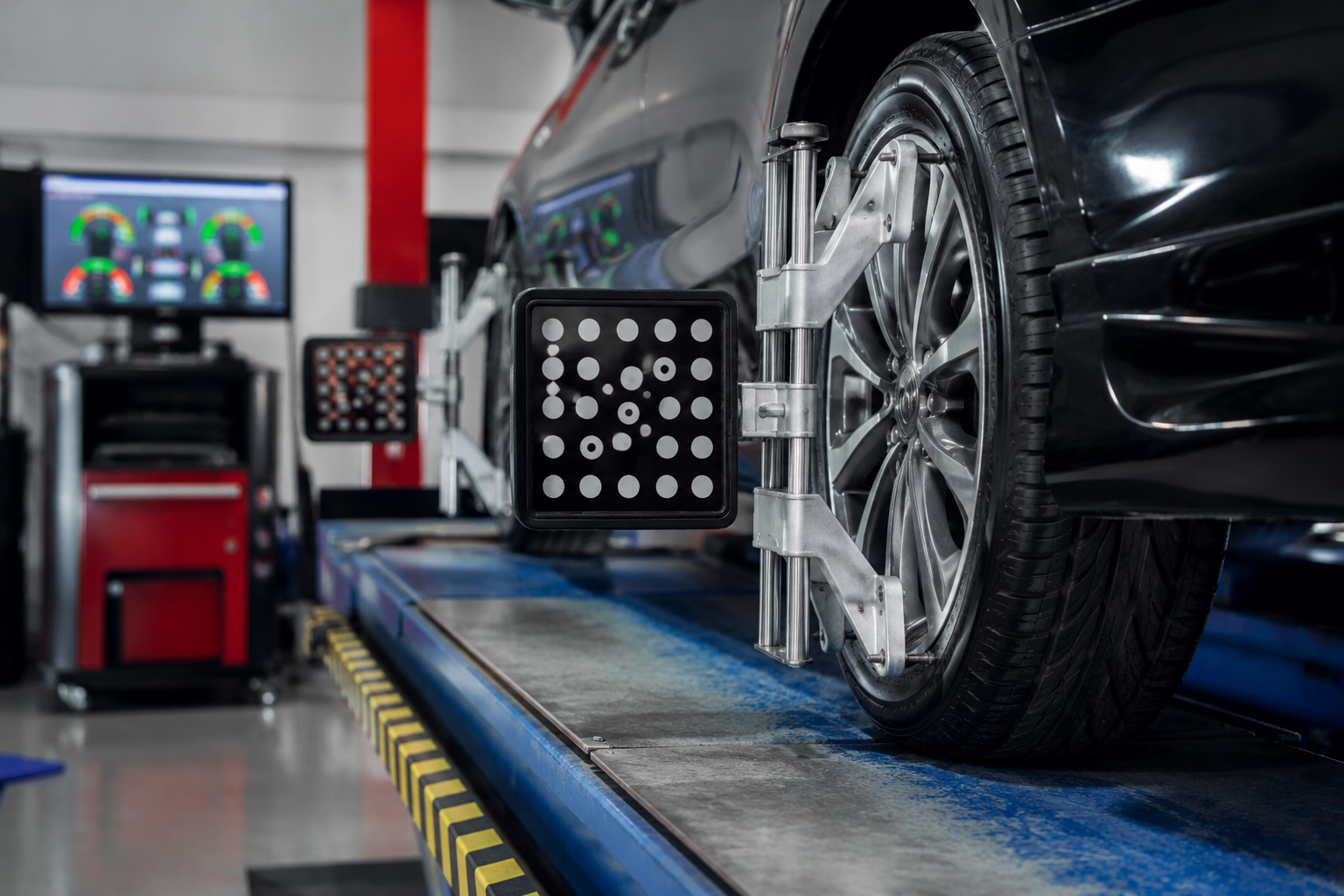
Wheel Alignment Dubai How Wheel Alignment Problems Can Damage Your Tyres Your tyres can look perfectly fine at first, but incorrect wheel alignment can slowly cause uneven wear and reduce their lifespan. If your car pulls to one side, the steering wheel feels off-centre, or your tyres are wearing unevenly, it may be time for a wheel alignment check. What Is Wheel Alignment? Wheel alignment adjusts the position and angles of your vehicle’s wheels so they sit correctly according to the manufacturer’s specifications. Proper alignment helps your tyres maintain better contact with the road and supports stable steering and handling. Signs You May Need Wheel Alignment You may need an alignment inspection if you notice: Car pulling left or right Steering wheel sitting crooked Uneven tyre tread wear Steering feeling loose or unstable Vehicle drifting while driving Increased tyre or road noise Tyres wearing much faster than expected These problems can develop after hitting potholes, kerbs, or other road impacts. How Misalignment Damages Your Tyres When wheels are not correctly aligned, the tyre does not sit evenly on the road. This can create excessive wear on the inner edge, outer edge, or specific sections of the tread. Over time, the tyre can become unsafe and may need replacement earlier than expected. In some cases, correcting the alignment early can help prevent further unnecessary tyre wear. Alignment or Tyre Replacement? If your tyres are already badly worn, wheel alignment alone may not solve the problem. A professional inspection should check both the tyres and wheel alignment. If the tread is still usable, correcting the alignment may help prevent further damage. If the tyre is excessively worn or damaged, replacement may be necessary. Why Get Wheel Alignment Checked? Correct alignment can help provide: Better handling — The vehicle can track more consistently. More even tyre wear — Proper wheel angles help reduce unnecessary tread wear. Improved driving comfort — Steering may feel more stable and predictable. Better tyre life — Preventing abnormal wear can help you get more use from your tyres. Wheel Alignment & Tyre Service in Al Quoz 4, Dubai Super Major Auto Tyres L.L.C. provides wheel alignment and tyre services in Al Quoz 4, Dubai. Our automotive services include: Wheel alignment Wheel balancing Tyre inspection Tyre repair Tyre replacement Brake service Vehicle inspection Car diagnostics General car repair If your car is pulling to one side or your tyres are showing uneven wear, our team can inspect the vehicle and identify whether alignment, tyres, or related components need attention. Don’t wait until uneven tyre wear turns into an unnecessary replacement. Get your wheel alignment and tyres checked. Final Thoughts Incorrect wheel alignment can quietly damage your tyres and affect the way your car handles. If you notice uneven wear, steering changes, or your vehicle pulling to one side, an alignment inspection can help identify the problem early. Need a wheel alignment or tyre inspection in Dubai? Contact Super Major Auto Tyres L.L.C. to have your vehicle checked. Related Posts

How Often Does an Electric Car Need Servicing in Dubai?

Electric Car Need Servicing How Often Does an Electric Car Need Servicing in Dubai? Electric cars generally have fewer moving parts than petrol and diesel vehicles, but that does not mean they are maintenance-free. EVs still require regular inspections to keep the battery, tyres, brakes, cooling system, suspension, and electrical components working properly. For drivers in Dubai, understanding how often an electric car needs servicing is especially important because high temperatures, heavy traffic, and frequent air-conditioning use can place additional demands on certain vehicle systems. The exact service interval depends on the electric vehicle’s make, model, age, mileage, and manufacturer’s recommendations. How Often Should an Electric Car Be Serviced? There is no single service interval for every EV. Many manufacturers recommend an inspection based on time, mileage, or both. Some electric vehicles may require a scheduled inspection around every 12 months, while others use longer intervals. The best approach is to follow the maintenance schedule provided for your specific vehicle. Even when an EV does not need a traditional engine oil change, regular inspections remain important. What Is Checked During Electric Car Servicing? Electric vehicle servicing is different from conventional car servicing because there is no petrol engine or engine oil to maintain. A professional EV inspection can include: High-voltage battery condition Battery cooling system Charging system Electrical components Brake system Brake fluid Tyres and tyre pressure Suspension components Steering system Air-conditioning system Cabin air filter Vehicle software and diagnostic information Lights and other safety systems The exact inspection points depend on the vehicle manufacturer.   1. Electric Car Battery Inspection   The battery is one of the most important and expensive components of an EV. A battery inspection may check for diagnostic faults, abnormal performance, charging-related problems, and other signs that require attention. Drivers should also pay attention to changes such as significantly reduced driving range, unusual charging behaviour, or battery-related warning messages. Battery servicing should only be carried out by appropriately trained technicians because EV high-voltage systems require specific safety procedures.   2. Check the EV Cooling System   Electric vehicles still produce heat and use cooling systems to maintain suitable operating temperatures. Depending on the vehicle, the cooling system may help regulate the battery, electric motor, inverter, or other components. Coolant levels, leaks, hoses, and related components may need inspection according to the manufacturer’s service schedule. This is particularly relevant in hot climates where thermal management plays an important role in vehicle operation.   3. Inspect EV Tyres Regularly   Electric cars can be heavier than comparable petrol vehicles because of their battery packs. Instant electric motor torque can also affect tyre wear. Check your tyres for: Uneven tread wear Low tread depth Cracks Bulges Sidewall damage Incorrect tyre pressure Correct tyre pressure is important for safety, handling, tyre life, and driving range.   4. Do Electric Cars Need Brake Servicing?   Yes. Electric vehicles use regenerative braking to recover energy, which can reduce how frequently the conventional friction brakes are used. However, EVs still have brake pads, discs, calipers, and brake fluid that require inspection. Less frequent brake use does not mean the braking system should be ignored. Components should still be checked according to the vehicle’s maintenance requirements.   5. Check the Suspension and Steering   The additional weight of an EV can place demands on suspension and steering components. During routine servicing, technicians can inspect components such as: Shock absorbers Bushes Ball joints Steering components Wheel alignment Suspension-related wear Uneven tyre wear, unusual noises, steering vibration, or changes in handling can indicate that an inspection is needed.   6. Electric Car Charging System   Charging problems can have several possible causes. A vehicle may experience charging issues because of the charging cable, charging port, electrical system, onboard charger, software, or external charging equipment. If your EV suddenly takes much longer to charge or repeatedly stops charging, it is worth having the vehicle inspected rather than assuming the battery itself is faulty.   7. Air Conditioning Maintenance   Air conditioning is an important part of everyday driving in Dubai. EV climate-control systems can also affect energy consumption and driving range. A poorly performing AC system may make the vehicle less comfortable and can potentially use more energy than necessary. Regular inspection of the AC system and cabin filter can help maintain proper cooling performance. Does an Electric Car Need an Oil Change?   A fully electric vehicle does not use traditional engine oil because it does not have a conventional internal-combustion engine. This is one of the major differences between EV and petrol or diesel vehicle maintenance. However, EVs can still have other fluids and lubricants that require inspection or replacement according to the manufacturer’s recommendations. Always follow the service requirements for your specific EV.   Electric Car Servicing in Dubai’s Climate   Dubai’s high temperatures make regular vehicle inspections particularly important. Heat can affect various vehicle systems, and EV battery thermal management is especially important for maintaining suitable operating temperatures. Drivers should not wait for a warning light or major performance change before arranging scheduled servicing. Preventive inspections can help identify developing issues earlier.   Signs Your Electric Car Needs an Inspection   You should consider having your EV checked if you notice: A significant or unexpected reduction in driving range Charging taking longer than usual Charging repeatedly stopping Battery warning messages Unusual noises Reduced acceleration Brake performance changes Uneven tyre wear Suspension problems Air-conditioning performance issues New warning lights Unusual electrical behaviour A diagnostic inspection can help determine whether the issue is related to the battery, charging system, electrical components, cooling system, or another part of the vehicle. Electric Car Servicing in Al Quoz 4, Dubai If you are searching for electric car servicing in Al Quoz 4, Dubai, choose a workshop that understands the specific maintenance requirements of modern vehicles. Super Major Auto Tyres L.L.C. provides vehicle inspection, diagnostics, tyre services, wheel alignment, wheel balancing, brake services, and general automotive services. For EV owners, the appropriate inspection should always be based… Continue reading How Often Does an Electric Car Need Servicing in Dubai?

Car Maintenance Checklist for Dubai Drivers

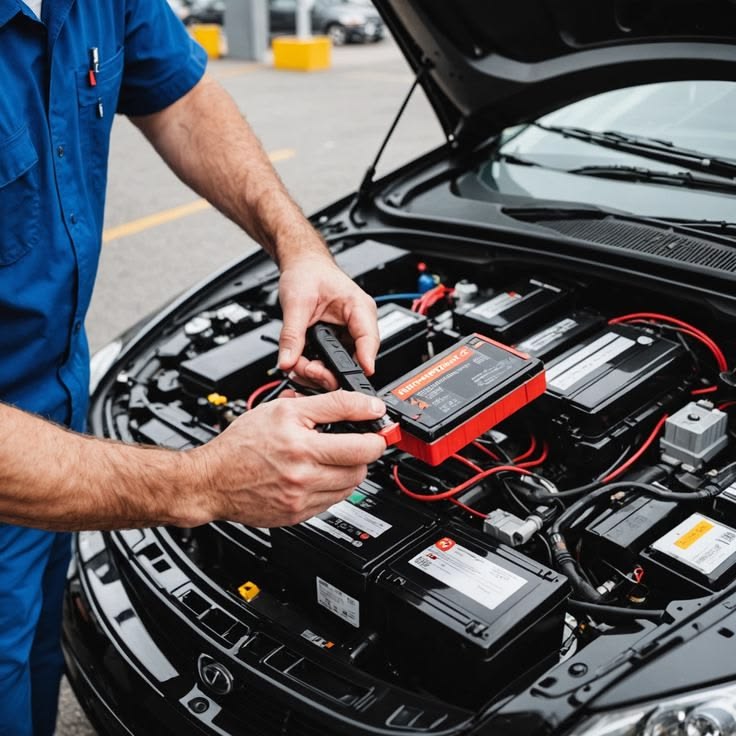
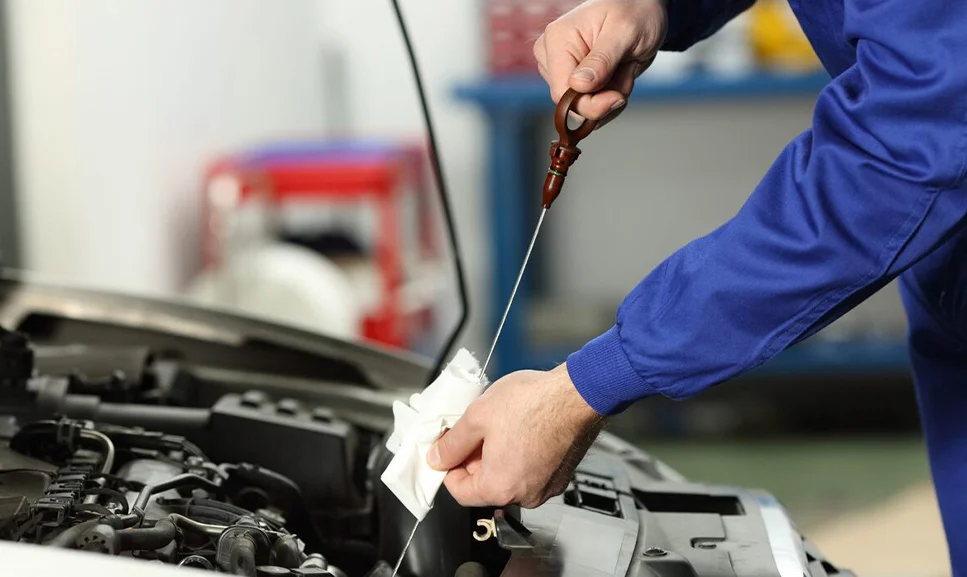
What to Check Regularly Car Maintenance Checklist for Dubai Drivers Regular car maintenance is important for every driver, but Dubai’s heat, traffic, long driving distances, and dusty road conditions can place additional demands on a vehicle. Small maintenance issues can become more noticeable when a car is regularly exposed to high temperatures and heavy daily use.   A simple car maintenance checklist for Dubai drivers can help you identify problems early, maintain vehicle performance, and reduce the risk of unexpected breakdowns.   Whether you use your car for commuting, business, family trips, or daily driving, following a consistent maintenance routine can make a significant difference. Why Is Regular Car Maintenance Important in Dubai? Dubai’s driving conditions can be demanding on several vehicle components. High temperatures can affect fluids, batteries, tyres, cooling systems, and air-conditioning performance, while frequent stop-and-go traffic can increase wear on brakes and other components.   Regular maintenance helps you monitor the condition of important systems before a minor issue develops into a major repair.   It also gives you an opportunity to identify unusual noises, warning lights, fluid leaks, tyre wear, and changes in vehicle performance. Car Maintenance Checklist for Dubai Drivers 1. Check Engine Oil Regularly Engine oil lubricates moving components and helps control friction and heat inside the engine. Check the oil level according to the vehicle manufacturer’s recommendations and follow the recommended oil-change interval. If you notice that the oil level is dropping unusually quickly, the engine should be inspected for possible leaks or other problems.   2. Inspect the Cooling System The cooling system plays an important role in controlling engine temperature. Check the coolant level when the engine is cold and look for signs of leaks around the radiator, hoses, expansion tank, and related components. Never ignore an overheating warning. Continuing to drive an overheating vehicle can result in serious engine damage.   3. Check Tyre Pressure Correct tyre pressure is essential for handling, braking, fuel efficiency, and tyre life. Dubai’s hot temperatures can affect tyre pressure, making regular checks especially important. Check the recommended pressure shown in your vehicle’s owner’s manual or the manufacturer’s tyre-pressure label. Do not rely only on visual inspection because a tyre can be underinflated without looking obviously flat.   4. Inspect Tyre Tread and Sidewalls Look at your tyres regularly for: Uneven tread wear Cracks Bulges Cuts Embedded objects Excessive tread wear Sidewall damage Uneven tyre wear may also indicate an alignment, suspension, or balancing issue. If a tyre has serious sidewall damage, it should be professionally inspected before the vehicle is driven.   5. Check the Braking System Your braking system needs to remain in good condition, particularly when driving in busy traffic. Pay attention to warning signs such as: Squealing or grinding sounds Steering-wheel vibration during braking A soft or spongy brake pedal The vehicle pulling to one side Longer stopping distances Brake warning lights If you notice any of these symptoms, arrange a brake inspection rather than waiting for the problem to become worse.   6. Maintain Your Car Battery High temperatures can be demanding on vehicle batteries. Check the battery condition during routine servicing and pay attention to signs such as slow engine cranking, electrical problems, or difficulty starting the vehicle. If the battery is approaching the end of its expected service life, testing it can help determine whether replacement may be necessary.   7. Replace Air Filters When Required Air filters prevent dust and other particles from entering the engine. A heavily restricted filter can affect airflow and engine performance. Dubai’s dusty environment makes regular inspection worthwhile. The correct replacement interval depends on the vehicle, driving conditions, and manufacturer’s maintenance schedule.   8. Check the Air Conditioning System A reliable air-conditioning system is essential for comfortable driving in Dubai. If the AC is not cooling properly, takes too long to cool the cabin, produces unusual smells, or makes strange noises, the system may require inspection. Possible causes can include low refrigerant, a blocked cabin filter, compressor problems, electrical faults, or other AC components.   9. Inspect Belts and Hoses Belts and hoses are important components within the engine compartment. During servicing, technicians should check for signs of: Cracking Wear Leaks Loose connections Deterioration Replacing a worn component before it fails can help prevent an unexpected breakdown.   10. Check Warning Lights Never ignore dashboard warning lights. A check engine light, brake warning, temperature warning, oil-pressure warning, or other warning indicator can point to a problem requiring attention. If a warning light appears, the correct response depends on the warning. Some require immediate attention, while others may allow you to drive carefully to a workshop for diagnosis.   11. Check Steering and Suspension Suspension and steering components affect handling, stability, and driving comfort. Arrange an inspection if you notice: Excessive bouncing Knocking sounds Uneven tyre wear Steering vibration Difficulty keeping the vehicle straight The vehicle pulling to one side Problems with suspension, steering, alignment, or related components should be diagnosed rather than ignored.   12. Follow the Manufacturer’s Service Schedule One of the most important maintenance steps is following the service schedule provided by your vehicle manufacturer. Depending on the vehicle, scheduled maintenance may include engine oil and filter replacement, brake inspection, fluid checks, spark plug replacement, transmission service, belt inspection, and other procedures. The exact requirements vary by make, model, engine, mileage, and age. How Often Should You Check Your Car? There is no single maintenance schedule that applies to every vehicle. A practical approach is to divide maintenance into different intervals.   Before Longer Trips Check: Tyre pressure Tyre condition Engine oil level Coolant level Lights Windscreen washer fluid Brake performance   During Regular Servicing Have a professional inspect: Brakes Suspension Steering Battery Belts and hoses Filters Fluids Tyres Air conditioning Engine and transmission components   According to Mileage or Time Follow the service intervals specified by the vehicle manufacturer. Some maintenance items are based on mileage, while others are based on time. Car Maintenance in Al Quoz 4,… Continue reading Car Maintenance Checklist for Dubai Drivers

Car Diagnostics in Dubai: Common Problems a Diagnostic Scan Can Find

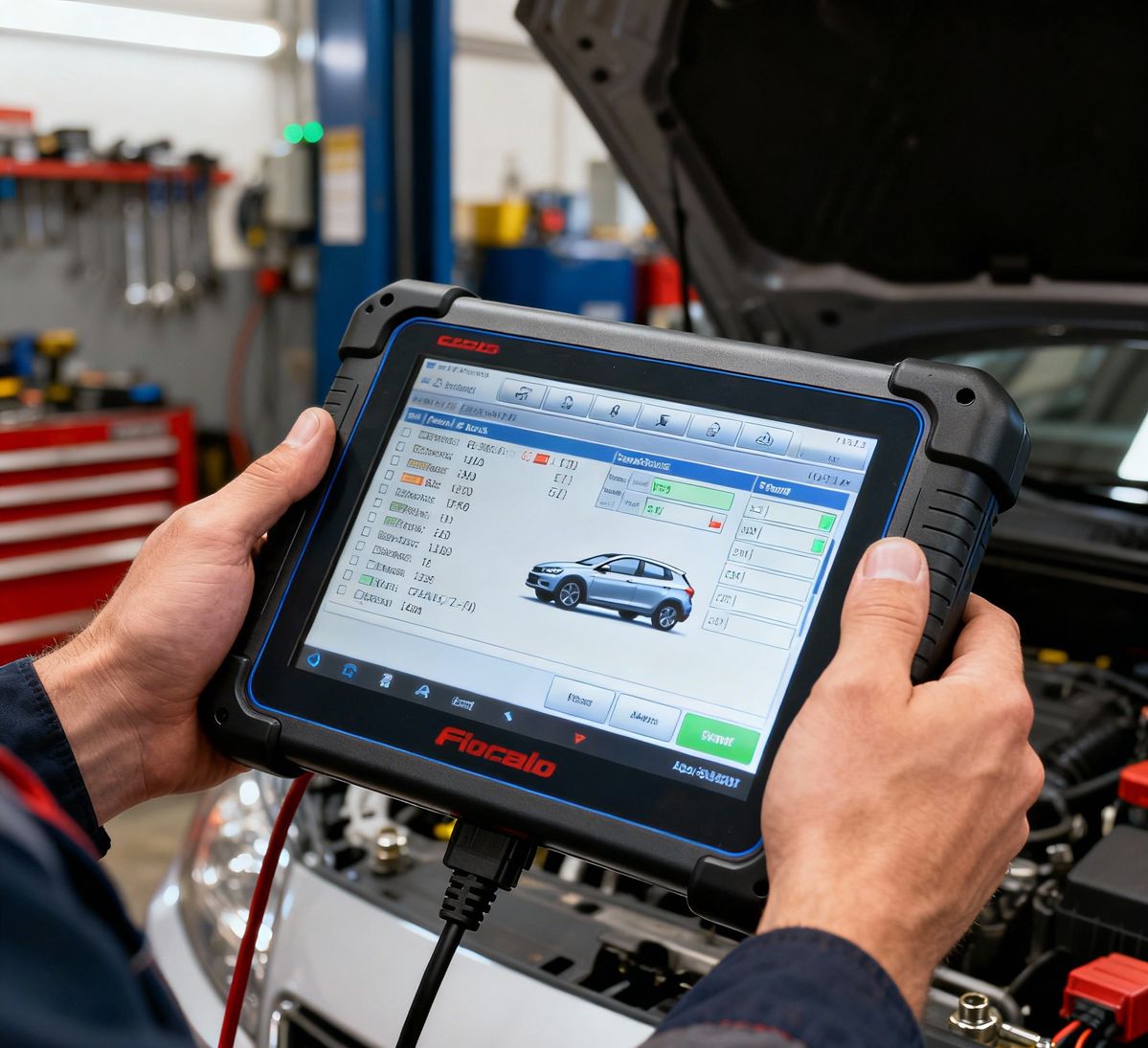
Car diagnostic scan during vehicle inspection at an auto garage in Dubai

Car Diagnostics in Dubai Car Diagnostics in Dubai: Common Problems a Diagnostic Scan Can Find A warning light on the dashboard does not always tell you exactly what is wrong with your car. A vehicle may also develop rough running, poor acceleration, starting problems or unusual fuel consumption without showing an obvious fault. A professional car diagnostic scan can help identify electronic and engine-related problems before they become more serious. For drivers in Dubai, regular diagnostics can be especially useful when a vehicle starts behaving differently or a warning light appears. What Is a Car Diagnostic Scan? Modern vehicles use electronic control units and sensors to monitor systems such as the engine, transmission, emissions and other vehicle functions. A diagnostic scanner communicates with the vehicle’s computer system and can retrieve stored fault codes. These codes help technicians identify areas that may need further inspection. A scan is not the same as replacing a part immediately. The fault code is a starting point for diagnosis, and a technician may need additional testing to confirm the actual cause. Common Problems a Diagnostic Scan Can Help Identify 1. Check Engine Light The check engine light can appear for many reasons, ranging from sensor faults to engine or emissions-related problems. A diagnostic scan can retrieve relevant fault codes and help narrow down the system that needs attention. 2. Engine Misfires If your car shakes, runs roughly or feels like it is losing power, an engine misfire may be involved. Possible causes include problems with ignition components, fuel delivery, sensors or other engine systems. Diagnostic information can help technicians investigate the cause. 3. Starting Problems A vehicle that takes longer than usual to start or sometimes struggles to start may have an electrical, fuel or engine-related issue. A diagnostic scan can provide useful information when combined with physical and electrical testing. 4. Poor Acceleration If the car feels slower than normal or does not respond properly when accelerating, there may be an issue with engine management, sensors, fuel delivery or another component. Diagnostics can help identify stored fault information and guide further inspection. 5. Warning Lights Modern vehicles can display different warning lights when a system detects a fault. Ignoring a warning light can allow a relatively small problem to develop into a more expensive repair. If a warning light stays on, professional diagnosis is recommended. 6. Unusual Fuel Consumption A noticeable increase in fuel consumption may sometimes be related to engine sensors, fuel systems, ignition problems or other faults. Diagnostic information can help determine whether the vehicle’s computer has detected an abnormal condition. 7. Sensor and Electrical Faults Modern cars rely on numerous sensors to provide information to the vehicle’s control systems. A faulty sensor, damaged wiring or electrical connection can affect vehicle performance. Diagnostic scanning can help identify stored fault codes that require further testing. When Should You Get Your Car Diagnosed? Consider having your vehicle checked if you notice: A check engine light Repeated warning lights Rough engine operation Difficulty starting Reduced acceleration Unusual fuel consumption Engine hesitation Unusual vehicle behaviour A problem that keeps returning after a repair You should not rely on a diagnostic scan alone when a vehicle has a serious mechanical or safety problem. A proper inspection may be necessary to determine the actual cause. Can a Diagnostic Scan Prevent Major Repairs? A diagnostic scan cannot guarantee that a vehicle will avoid future repairs. However, identifying fault information early can help technicians investigate problems before they develop further. For example, a warning light may indicate an issue that is still affecting the vehicle without causing obvious symptoms. Getting it checked early can help you understand what needs attention. Car Diagnostics in Dubai Dubai drivers regularly deal with heavy traffic, long journeys and demanding driving conditions. When a vehicle starts showing warning signs, getting the problem diagnosed can help avoid unnecessary part replacement and guesswork. Super Major Auto Tyres L.L.C provides vehicle diagnostic and automotive repair services in Al Quoz 4, Dubai. The team can inspect diagnostic faults and determine what further repair or maintenance may be required. The approach should be simple: identify the problem, inspect the vehicle properly and recommend the appropriate repair. Yokohama Tyres vs Other Brands Yokohama is one option among several established tyre manufacturers. Depending on availability and vehicle requirements, drivers in Dubai may also consider: Michelin Bridgestone Continental Goodyear Pirelli Dunlop The best choice depends on the specific tyre model and specifications, not just the brand name. A professional tyre shop can help you compare options according to your vehicle and budget. Why Choose Super Major Auto in Al Quoz? Super Major Auto is a local auto garage serving drivers in Al Quoz, Dubai, with services covering both vehicle repair and tyre requirements. From diagnostics and engine-related problems to brakes, AC, suspension and tyres, having multiple automotive services available under one roof can make vehicle maintenance more convenient.   All Car Problems. One Solution. Super Major Auto. If your dashboard warning light has appeared or your car is behaving differently, contact Super Major Auto for a professional vehicle inspection and diagnostic check.   Phone: +971 50 184 9737 FAQs How long does a car diagnostic scan take? The scanning process itself can be relatively quick, but diagnosing the underlying problem may take longer. The time depends on the vehicle and the fault being investigated. Can a diagnostic scan identify every car problem? No. A diagnostic scanner mainly retrieves electronic fault information. Mechanical problems may require a physical inspection, testing or other diagnostic procedures. Should I drive with the check engine light on? If the light is on, it is advisable to have the vehicle checked. If the light is flashing or the vehicle is running very poorly, stop driving when it is safe to do so and seek professional assistance. How often should I get car diagnostics? There is no single interval that applies to every vehicle. Diagnostics are particularly useful when warning lights appear or you notice changes in vehicle performance.… Continue reading Car Diagnostics in Dubai: Common Problems a Diagnostic Scan Can Find