

Car overheating Dubai is a problem drivers should take seriously, especially when the temperature gauge rises above its normal position or a temperature warning light appears. A vehicle's cooling system is designed to keep the engine within a safe operating temperature, but a coolant leak, radiator problem, thermostat fault, cooling fan issue or another mechanical problem can cause the engine to overheat.
Dubai's hot climate can place additional demands on a vehicle's cooling system. That does not mean every temperature increase is caused by the weather. In many cases, overheating is a sign that a component needs inspection or repair.
If your temperature gauge reaches the red zone, steam is coming from the engine bay or a temperature warning light stays on, stop driving as soon as it is safe to do so. Continuing to drive an overheating vehicle can lead to expensive engine damage.
Why Does a Car Overheat in Dubai?
An engine produces a large amount of heat while running. The cooling system uses coolant, a radiator, hoses, a water pump, thermostat and cooling fan to control that heat and keep the engine operating correctly.
When one of these components develops a problem, the engine may become hotter than normal. A car overheating problem in Dubai can therefore be caused by anything from low coolant to a failing cooling fan or restricted radiator.
Drivers should pay attention to changes in the temperature gauge, unusual smells, visible leaks, warning lights and changes in engine performance.
7 Warning Signs of Car Overheating
Recognising the early signs of overheating can help you avoid more serious engine problems. Here are seven symptoms Dubai drivers should not ignore.
The Temperature Gauge Moves Into the Red
One of the clearest signs of engine overheating is a temperature gauge that moves significantly higher than its normal position. If the needle approaches the red zone, the engine may already be operating at an unsafe temperature.
Do not ignore a gauge that suddenly rises during traffic, after a long drive or while using the vehicle under heavy load. The cause could involve coolant circulation, the radiator, thermostat or cooling fan.
Steam or Smoke Appears From the Engine Bay
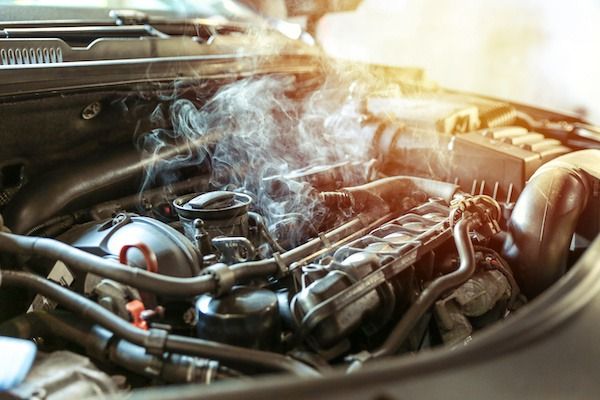
Steam coming from under the bonnet can indicate that coolant or another fluid is reaching a very high temperature. It may also occur when coolant leaks onto hot engine components.
If you see steam, avoid opening the radiator cap while the engine is hot. The cooling system can be under pressure, and hot coolant can cause serious burns.
The Coolant Level Keeps Dropping
Coolant should not continually disappear from a healthy cooling system. If the coolant level repeatedly becomes low, there may be a leak or another cooling-system fault that needs investigation.
Possible problem areas include hoses, connections, the radiator, expansion tank, water pump or other parts of the cooling system. Simply adding coolant repeatedly without finding the cause may allow the underlying problem to become worse.
You Notice a Sweet or Unusual Smell
A sweet smell around the engine bay can sometimes be associated with leaking coolant. A noticeable chemical smell after driving may be another reason to have the cooling system inspected.
Do not rely only on smell to diagnose a coolant leak. A professional inspection can help identify where fluid is escaping and whether the cooling system is maintaining the correct pressure.
The Engine Loses Power or Runs Roughly
An engine operating at an excessive temperature may not perform normally. You may notice reduced power, rough running or unusual behaviour while accelerating.
These symptoms can have several possible causes, so a proper inspection is important. If overheating is occurring at the same time, continuing to drive can increase the risk of engine damage.
The Cooling Fan Does Not Work Properly
The cooling fan helps move air through the radiator when needed. If the fan is not operating correctly, engine temperature can rise, particularly when the vehicle is stationary or moving slowly in traffic.
A fan problem can be related to the fan motor, control system, wiring, sensor or another component. Professional car diagnostics in Dubai can help identify the underlying fault.
A Temperature Warning Light Appears
A temperature warning light should never be ignored. It is designed to alert the driver when the engine temperature may have reached an unsafe level.
If the warning light appears together with a rising temperature gauge, steam, unusual smells or loss of power, stop driving when it is safe and arrange for the vehicle to be inspected.
What Should You Do If Your Car Overheats?
If your vehicle starts overheating, the priority is to protect the engine and yourself. Do not continue driving simply because the car still appears to be running normally.
Common Causes of Engine Overheating
There is no single cause of car overheating. The cooling system contains several components that work together, so identifying the actual fault is important.
Low Coolant or a Coolant Leak
Low coolant can reduce the cooling system's ability to remove heat from the engine. A leak may occur through a hose, radiator, connection, expansion tank, water pump or another component.
Radiator Problems
The radiator transfers heat from the coolant. Damage, blockage or restricted airflow can reduce its ability to cool the engine effectively. If you notice repeated overheating, a radiator inspection may be necessary.
Thermostat Failure
The thermostat helps control coolant flow as the engine warms up. A thermostat that does not operate correctly can interfere with normal temperature control.
Cooling Fan Fault
The cooling fan becomes particularly important when the vehicle is stationary or travelling slowly. A faulty fan can contribute to rising engine temperatures in traffic.
Water Pump Problems
The water pump circulates coolant through the cooling system. If coolant circulation is reduced because of a pump problem, the engine may not be able to remove heat effectively.
Why Dubai Drivers Should Take Overheating Seriously
Dubai's hot environment means a vehicle's cooling system needs to operate effectively, particularly during demanding driving conditions. Traffic, extended idling and long journeys can all place additional demands on the cooling system.
However, a healthy vehicle should still maintain its normal operating temperature. If the temperature gauge repeatedly rises, the right response is to investigate the cause rather than assuming the weather is solely responsible.
Regular car service in Dubai can help identify cooling-system issues before they develop into a more serious engine problem.
How to Prevent Car Overheating
Preventive maintenance can reduce the chance of cooling-system problems becoming major repairs. Dubai drivers can include the following checks in their regular vehicle maintenance routine.
When Should You Take an Overheating Car to a Garage?
You should arrange a professional inspection if the temperature gauge repeatedly rises, coolant levels keep dropping, the vehicle overheats in traffic, warning lights appear or you notice steam or unusual smells.
An overheating engine should not be treated by repeatedly topping up coolant and continuing to drive. The correct repair depends on the cause, which may require inspection of the radiator, hoses, thermostat, cooling fan, water pump and other components.
At Super Major Auto, our Al Quoz garage provides vehicle inspection, diagnostics, engine repair and general car maintenance services for drivers in Dubai. If your car is showing signs of overheating, professional inspection can help identify the problem before it develops into a more expensive repair.
Car Overheating in Dubai? Get It Checked Before It Gets Worse
If your temperature gauge is rising, coolant is disappearing or your vehicle is showing other overheating symptoms, bring your car to Super Major Auto in Al Quoz for professional inspection and car repair.
Related Car Services in Dubai
An overheating problem may require more than one type of inspection. Depending on the symptoms, drivers may also benefit from car diagnostics in Dubai, engine inspection, routine car service or other vehicle maintenance.
If your vehicle is showing additional symptoms such as warning lights, poor performance or unusual noises, professional diagnostics can help determine whether the issue is connected to the cooling system or another part of the vehicle.
Frequently Asked Questions About Car Overheating
Why is my car overheating in Dubai?
A car can overheat because of low coolant, a coolant leak, radiator problems, a faulty thermostat, cooling fan issues, water pump problems or another cooling-system fault. Dubai's hot conditions can increase the demand on the system, but repeated overheating should always be investigated.
Can I drive my car if the temperature gauge is high?
It is generally unsafe to continue driving when the engine temperature is approaching the red zone or a temperature warning light appears. Stop somewhere safe, switch off the engine and allow it to cool before arranging professional assistance or inspection.
What causes a car to overheat in traffic?
Overheating in traffic can be related to cooling fan problems, low coolant, radiator restrictions, thermostat faults or other cooling-system issues. Because airflow is reduced at low speeds, a cooling fan problem may become more noticeable in traffic.
How do I know if my car has a coolant leak?
Signs can include a repeatedly low coolant level, visible fluid around the vehicle or engine bay, unusual smells and overheating. A professional cooling-system inspection can help locate the source of a leak.
Can low coolant cause engine overheating?
Yes. Insufficient coolant can reduce the cooling system's ability to transfer heat away from the engine. If the coolant level repeatedly becomes low, the reason should be investigated rather than simply topping it up repeatedly.
Where can I get my overheating car checked in Dubai?
Super Major Auto provides car inspection, diagnostics, engine repair and maintenance services from its garage in Al Quoz, Dubai. Drivers can contact the garage to arrange an inspection.